
Global trade is entering a new era where speed, transparency, and control matter more than ever. For businesses shipping goods across borders, cargo tracking is no longer a “nice to have”—it’s an expectation. By 2026, cargo visibility will be smarter, more predictive, and deeply integrated into digital logistics ecosystems.
For companies searching for the Best Cargo services in Dubai, understanding how cargo tracking technologies are evolving is essential when choosing the right logistics partner. Dubai’s position as a global trade hub makes advanced tracking solutions even more critical for reliability, compliance, and customer trust.
This article explores the key cargo tracking technologies shaping 2026 and what shippers should realistically expect from a future-ready logistics company in Dubai.
Why Cargo Tracking Is Becoming a Core Logistics Standard
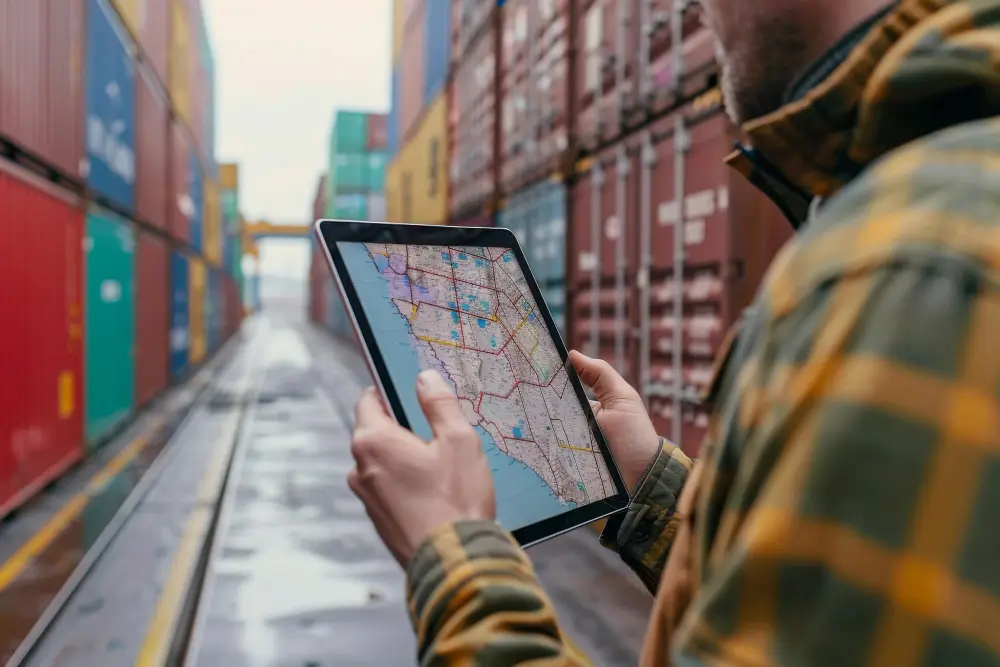
Traditional cargo tracking focused on milestone updates—departure, arrival, and customs clearance. In 2026, shippers expect continuous visibility. This shift is driven by:
- Rising customer expectations for real-time updates
- Complex global supply chains
- Increased regulatory compliance
- The need to reduce delays, losses, and disputes
Modern cargo tracking is no longer reactive. It is predictive, automated, and data-driven—helping businesses plan instead of responding to disruptions after they happen.
This is especially relevant in Dubai, where cargo volumes move rapidly through air, sea, and land corridors every day.
Key Cargo Tracking Technologies Shaping 2026

1. Real-Time GPS & IoT-Enabled Tracking
By 2026, Internet of Things (IoT) sensors will be standard across shipments. These devices provide live data on:
- Location
- Temperature
- Humidity
- Shock and handling conditions
For sensitive goods such as pharmaceuticals, electronics, and perishables, this level of visibility is crucial. Shippers working with a reliable cargo and logistics company can monitor their cargo at every stage, not just at checkpoints.
2. AI-Powered Predictive Visibility
Artificial Intelligence is transforming tracking from “where is my cargo?” to “what will happen next?”
AI systems analyze historical data, weather patterns, port congestion, and transit behavior to:
- Predict delivery delays
- Suggest alternate routes
- Optimize transit times
- Improve cost efficiency
By 2026, shippers will expect logistics partners to proactively alert them to risks—before those risks impact delivery schedules.
3. Blockchain for Secure & Transparent Tracking
Blockchain technology is gaining traction in cargo documentation and tracking. It ensures that shipment data cannot be altered, improving:
- Trust between stakeholders
- Documentation accuracy
- Customs clearance speed
For international shippers using freight forwarding services in Dubai, blockchain-backed tracking reduces disputes and enhances compliance across borders.
4. Automated Alerts & Smart Dashboards
Instead of manually checking shipment status, 2026 logistics platforms will offer intelligent dashboards that:
- Send automatic alerts
- Highlight exceptions
- Centralize documents and tracking data
This allows businesses to manage multiple shipments effortlessly, saving time and reducing operational stress.
How Technology Enhances Key Logistics Services

A future-ready logistics provider doesn’t just adopt technology—it integrates it across every service. Here’s how advanced cargo tracking supports major logistics solutions.
Air Freight Services
Air freight demands speed and precision. Real-time tracking allows shippers to monitor flight schedules, cargo handling, and last-mile delivery with minimal delays. AI-powered systems also help reroute shipments during disruptions, ensuring time-critical cargo stays on schedule.
Sea Freight Services
Sea freight tracking in 2026 goes beyond vessel location. Smart sensors monitor container conditions, while predictive analytics assess port congestion and transit risks. This is especially valuable for long-haul shipments where delays can be costly.
Land Freight Services
For cross-border and regional transportation, GPS-enabled land freight tracking provides live updates on truck movement, border wait times, and delivery windows. This visibility improves coordination and reduces uncertainty for shippers.
Warehousing & Storage
Modern warehouses are becoming smart logistics hubs. Inventory tracking systems integrate with cargo visibility platforms, allowing businesses to track goods from arrival to dispatch. Automation improves accuracy, reduces losses, and ensures faster fulfillment.
Door-to-Door Logistics
Door-to-door logistics relies heavily on seamless coordination. End-to-end tracking ensures transparency from pickup to final delivery, offering customers complete peace of mind—especially for international shipments.
Freight Forwarding Services in Dubai
Freight forwarding in 2026 is data-driven. Advanced tracking systems unify air, sea, and land movements into a single platform. This simplifies documentation, improves planning, and gives shippers a clear view of their entire supply chain.
What Shippers Should Expect from the Best Cargo Services in Dubai
By 2026, shippers should expect more than basic tracking links. The Best Cargo services in Dubai will offer:
- Real-time, end-to-end visibility
- Predictive delay alerts
- Secure digital documentation
- Integrated tracking across all transport modes
- Transparent communication
Choosing the right logistics partner means selecting a company that invests in technology without losing the human expertise required to manage complex shipments.
Technology with Human Expertise: The Real Advantage
While automation and AI play a major role, technology alone is not enough. Successful logistics still depend on experience, regulatory knowledge, and proactive problem-solving.
This is where companies like AGS Logistics stand out—combining digital tools with operational expertise. As a well-established logistics company in Dubai, AGS Logistics integrates advanced tracking systems across its services while maintaining hands-on coordination and customer support.
The result is not just visibility, but confidence.
Preparing for the Future of Cargo Tracking
As global trade continues to evolve, cargo tracking will become more intelligent, more transparent, and more customer-focused. Businesses that adapt early will gain a competitive edge through better planning, reduced risks, and stronger customer trust.
For shippers evaluating logistics partners, the focus should be on long-term capability—not just current offerings. A future-ready cargo and logistics company understands that technology is a tool to serve reliability, not replace it.
Final Thoughts
Cargo tracking in 2026 will redefine how businesses experience logistics. From AI-driven insights to real-time visibility across every shipment, expectations are rising fast.
For companies seeking the Best Cargo services in Dubai, the future belongs to logistics partners who balance innovation with experience, automation with accountability, and data with decision-making.